
The Marketing Power of Human Curiosity

Curiosity is one of the most powerful forces in human behavior. It’s the quiet impulse that makes someone click on a headline, pause on a social media post, or walk into a store to see what’s inside. In marketing, curiosity isn’t just helpful—it’s often the difference between being ignored and being explored. At its core, marketing is about attention. And curiosity is what pulls attention forward. When something feels incomplete, surprising, or slightly mysterious, people naturally want to resolve that gap. Smart marketers have understood this for a long time, but in today’s crowded digital environment, curiosity has become even more important.
The Brain Wants to Close Information Gaps
Human brains dislike uncertainty. When we encounter partial information, we feel an instinctive urge to fill in the blanks. This is known as the “information gap” effect, and it plays a huge role in how people interact with marketing. A headline that hints at something interesting but doesn’t fully explain it creates tension. That tension isn’t uncomfortable in a bad way—it’s motivating. It pushes people to click, read, or watch to satisfy their curiosity. Effective marketing often relies on carefully opening that gap without closing it too quickly.
Storytelling Creates Emotional Curiosity

Stories are one of the most effective ways to hold attention because they naturally build curiosity over time. A good story doesn’t reveal everything at once. Instead, it unfolds piece by piece, encouraging the audience to keep following along. In marketing, storytelling allows brands to guide curiosity rather than force attention. Whether it’s a brand origin story, a customer transformation, or a product journey, stories give people a reason to stay engaged. The curiosity isn’t just about what happens next—it’s about how it will make them feel.
Headlines That Hint, Not Explain
In digital marketing, headlines are often the first and sometimes only chance to spark curiosity. The most effective ones don’t give away everything. Instead, they suggest something interesting enough to encourage a click. This doesn’t mean being vague for the sake of it. It means balancing clarity with mystery. A strong headline gives just enough information to be relevant but leaves enough unanswered questions to pull the reader forward. That small gap is where curiosity lives.
Visual Curiosity Drives Attention
Curiosity isn’t only triggered by words. Images, colors, and design choices can also create intrigue. A partially hidden object, an unexpected visual contrast, or an unusual composition can make people pause and look more closely. In marketing, visuals often act as the first hook before any text is read. If an image makes someone wonder what’s happening or what they’re looking at, it increases the likelihood that they will engage further. This is why creative visuals are so important in advertising and branding.
Curiosity Builds Deeper Engagement

When curiosity is successfully triggered, people don’t just glance—they explore. They click through multiple pages, read longer content, or watch videos to the end. This deeper engagement is extremely valuable in marketing. The longer someone stays engaged, the more familiar they become with a brand or message. Curiosity doesn’t just attract attention; it helps sustain it. That sustained attention often leads to better understanding, a stronger emotional connection, and a higher chance of conversion.
Social Proof Sparks More Questions
People are naturally curious about what others are doing. When they see something popular—whether it’s a trending product, a viral video, or a highly reviewed service—they often want to know why. This is where social proof becomes powerful. It doesn’t just show popularity; it invites curiosity about the reasons behind it. Why are so many people interested? What makes it different? That questioning mindset often leads users to explore further on their own.
The Risk of Over-Satisfying Curiosity
While curiosity is powerful, it can be easily lost if everything is revealed too quickly. If marketing content answers every question immediately, there’s no reason for further exploration. The audience moves on. The key is balance. Good marketing doesn’t withhold information unfairly, but it also doesn’t give everything away at once. It creates a path that gradually satisfies curiosity, keeping people engaged step by step rather than all at once.
Human curiosity is one of the most important drivers of marketing success. It shapes how people interact with headlines, stories, visuals, and social proof. When used thoughtfully, curiosity turns passive viewers into active participants who want to explore further. In a world filled with constant information, the ability to spark and guide curiosity is what helps marketing stand out, connect, and stay memorable.…


 Identifying your competitors’ high-performing keywords is a crucial first step in refining your own SEO strategy. Tools like SEMrush or Ahrefs can really help if you want to analyze which keywords drive traffic to their websites. The goal is simple. You need keywords with significant search volumes that align with your business goals. These terms can provide insight into what resonates with the audience and highlight potential gaps in your content. Don’t overlook long-tail keywords either; they often indicate specific user intent. By adapting these strategies to your content, you can attract targeted traffic more effectively. Once you’ve gathered this data, prioritize the most relevant and achievable keywords for your site.
 Examining a competitor’s site structure can reveal important insights. A well-organized website





 Word-of-mouth is one of the most effective ways to advertise your carport and garage business. Encourage satisfied customers to refer their friends and family to your business by offering a referral program. Offer a discount or special promotion to customers who refer new business to you. This can help to build loyalty among your customers and attract new business at the same time.
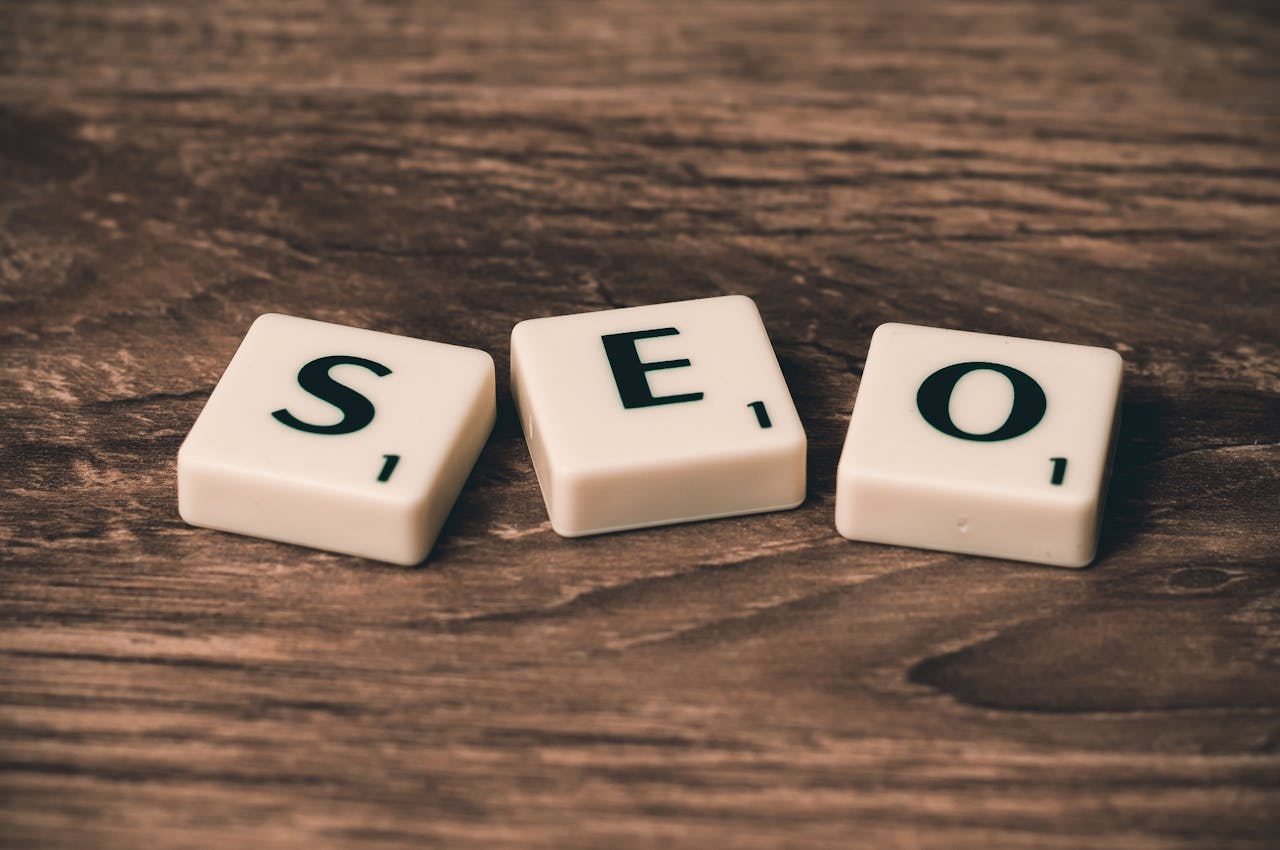
 The practice of improving your website to rank as high as possible in organic search engine results is known as search engine optimization (SEO). We use the term “organic” to refer to non-paid search results when discussing search. This is distinct from pay-per-click advertising (or PPC), a paid traffic generation approach. Both sponsored and organic Google rankings are decided by algorithms that analyze numerous features and metrics deemed relevant by Google—these are your ranking criteria. We’ll never know all of Google’s ranking determinants, but we do know a lot of them thanks to what Google has told us and what we’ve discovered via trial and practical experience. We also know that, while ranking variables and algorithms may change, quality, trustworthiness, and performance are the attributes Google is attempting to discern through them.
 The good thing about SEO is that it is an inbound marketing strategy. Unlike traditional advertising channels that involve reaching out to consumers, inbound methods make it easy for the audience to find the information they want. Usually, traditional marketing methods such as spam emails, interruptive ads, and cold calling are done with the goals of advertisers in mind. This explains why most consumers find these methods quite annoying.
 Although PR and SEO seem to be different marketing strategies, they can be combined to deliver maximum results. Earning trust from reputable websites helps improve your marketing and brand. The good thing about PR is that it allows influencers and publications to talk about the company. This will present a great opportunity for you. In this way, you gain a competitive edge over your rivals.…
 Before officially announcing that site speed was one of the rating factors for searches through mobile devices, Google in 2015 also announced a similar step. The announcement states that it will prioritize sites that have supported Accelerated Mobile Page (AMP) technology to rank users’ search results.
 Google states that the update of the ranking criteria they call “Speed Update” will only have an impact on a small part of the search process. The process of optimizing a site that has been done by developers so far does not seem to change much.